AI Energy Policy: Trump Orders Data Centers to Share Excess Power
The President proposes a mandate requiring AI facilities to sell or give away surplus electricity to nearby residents to lower local utility bills.
By Rafael Ortega ·
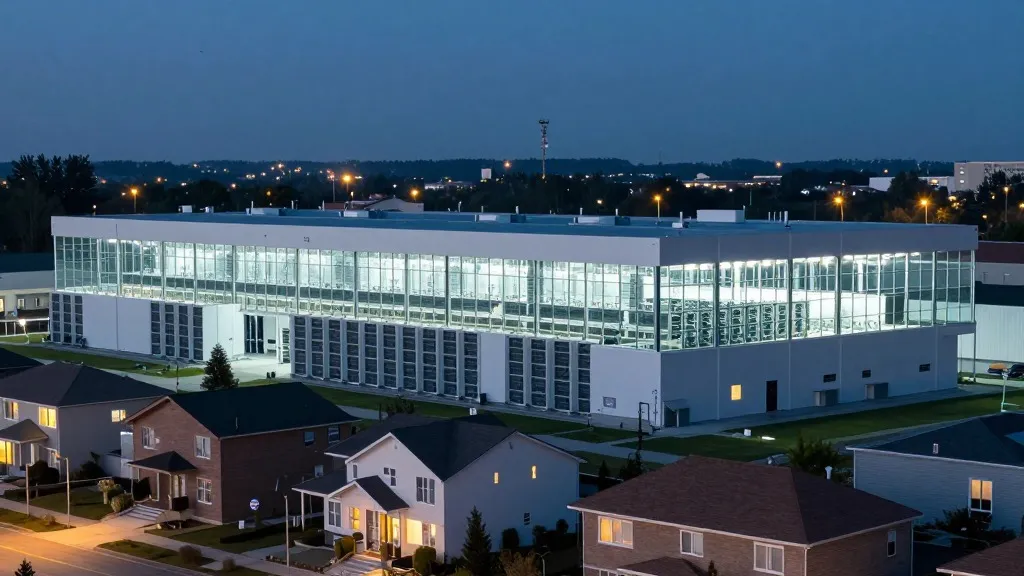
One specific financial term has taken center stage in the latest push for AI infrastructure: the dividend. President Donald Trump issued a direct call to data center builders and major AI companies to pay local communities this sum. The goal is to offset rising energy prices or even drive them down. This move aims to make these massive facilities more acceptable to the people living nearby.
The first key point involves the source of the power. The President stated that data centers must generate their own electricity. This requirement aligns with previous administration orders. However, the new directive adds a crucial layer. Companies will be mandated to give or sell any excess energy back to the local grid. This ensures that the surplus power generated by these facilities benefits the immediate neighborhood rather than being wasted or sold to distant markets at higher rates.
The second key point addresses the ongoing friction between developers and residents. Communities across the United States have frequently protested the arrival of new AI data centers. These projects often bring significant changes to local life. Residents cite rising electricity costs, increased noise pollution, water shortages, and air quality concerns. The administration hopes that a financial dividend will help ease these tensions. By providing a tangible economic benefit, the government seeks to win back the favor of populations that have been critical of the industry's footprint.
The third key point focuses on the broader economic context. The Trump Administration is eager to maintain a lead over China in the AI race. To do so, it needs to smooth the path for new construction. The recent passage of an act requiring data centers to cover grid upgrade costs is part of this strategy. This prevents local tax dollars from being drained by infrastructure needs. The new dividend proposal builds on this by directly targeting the pain point of household utility bills. If data centers can help pay for the power they use, or the power the grid must supply, local residents may view the facilities as partners rather than burdens.
In his post on Truth Social, the President highlighted the practical benefits of such arrangements. He noted that data centers often become popular in an area once a financial deal is reached. The President urged companies to make these deals to get projects built. This suggests a clear preference for voluntary or semi-mandatory financial incentives over strict regulatory hurdles. The administration believes that if the local community sees a direct monetary gain, opposition will decrease and construction will accelerate.
The context for this move includes the current state of power generation for these sites. Many data centers are currently relying on gas-powered generators to meet short-term energy needs. These units can be noisy and polluting, which adds to the complaints from nearby residents. While the mandate calls for excess energy to be shared, the quality and cleanliness of that energy remain a point of discussion. The administration is looking for a quick solution to the energy cost issue, even if long-term, cleaner generation methods take more time to deploy.
The outlook for this mandate remains uncertain. It is unclear if the dividends will be large enough to satisfy all community concerns. Economic benefits are only one part of the equation. Issues such as water consumption and ecological impact remain major challenges. The administration is betting that financial incentives will tip the scales in favor of new data center projects. Whether this strategy will successfully turn skeptics into supporters will become clear as the first few mandated deals are struck and implemented.
For now, the focus is on implementation. Companies will need to determine how to structure these payments. The administration has set the direction, but the details of how the excess energy will be valued and transferred are still being worked out. The ultimate aim is to create a model where the growth of AI technology does not come at the expense of local community stability and affordability.
Source: Tom's Hardware