NASA's Artemis Budget Hit by 22-Launch Starship Requirement
A new internal assessment suggests the lunar program may need nearly two dozen tanker flights to fuel the lander, raising cost and schedule risks for the decade-end goal.
By Ji-eun Choi ·
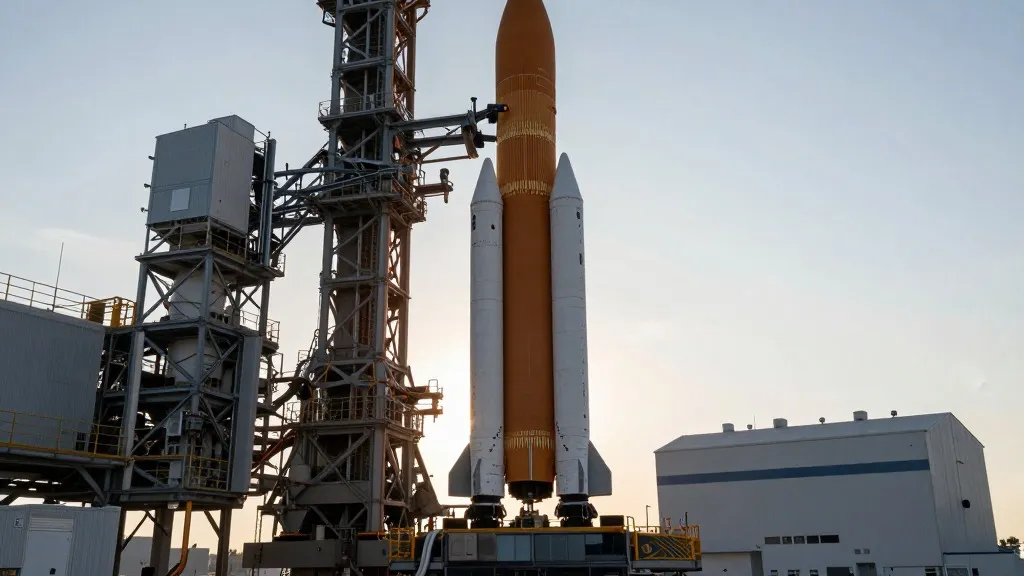
The latest internal estimate for the Artemis lunar program suggests that 22 Starship launches are required to fuel the vehicle for a crewed mission to the Moon. This figure, revealed during a safety review, marks a significant shift in the logistical and financial modeling for NASA's return to the lunar surface. The number represents the total count of launches needed to build a propellant depot in low-Earth orbit, a critical prerequisite for any deep-space voyage using SpaceX's heavy-lift vehicle.
The revelation came from Charlie Precourt, a former NASA astronaut and member of the Aerospace Safety Advisory Panel, during the panel's quarterly meeting held this week. Precourt discussed the inherent risks associated with the Artemis architecture, highlighting the dependency on a high cadence of orbital refueling operations. The estimate of 22 flights is a concrete number in a program that has historically been defined by uncertainty regarding this specific metric.
For years, the number of required tanker flights has been a closely guarded figure within NASA, treated with a level of secrecy comparable to sensitive nuclear codes. Agency officials have typically resisted providing exact numbers, preferring to describe the requirement in broad terms. In 2023, Lisa Watson-Morgan, then-director of NASA’s Human Landing System, expressed reluctance to pin down the exact count, stating, "We have a general idea, but I’m reluctant to say exactly what that is." This cautious approach reflected the agency's desire to avoid locking in a specific operational cost or schedule before the technology was fully proven.
Subsequent statements from officials have provided a wider range of possibilities, often citing figures between the "high single digits to the low double digits." This range implied roughly a dozen launches, a substantial operational burden that would involve one "depot" Starship and approximately 11 "tanker" vehicles carrying liquid oxygen and methane. Other agency voices have suggested the number could reach the "high teens," indicating that the logistical complexity was always expected to be significant. The core strategy has relied on the assumption that SpaceX would rapidly increase the lift capacity of Starship, thereby reducing the number of tanker flights required to fill the depot.
However, growing concerns among NASA officials suggest that these capacity improvements may not arrive soon enough to keep the current timeline intact. There is apprehension that the pace of technological advancement may lag behind the ambitious goal of returning humans to the Moon within the current decade. If the lift capacity does not improve as predicted, the number of tanker launches will remain high, increasing the operational risk and the financial exposure of the program. The 22-launch estimate underscores the scale of the supply chain required to make the lunar landing viable with current hardware specifications.
The financial implications of this high launch count are substantial. Each Starship flight represents a significant cost, and multiplying that by 22 for a single lunar mission creates a heavy burden on the Artemis budget. The program's viability hinges on the ability to launch these vehicles frequently and reliably. Any delay or failure in the tanker fleet could stall the entire mission, as the depot must be fully fueled before the crewed lander can depart for the Moon. This dependency on a high volume of orbital refueling operations introduces a new layer of complexity to the mission architecture.
Reactions to the new estimate are focused on the timeline and the scalability of the launch operations. Critics argue that the number is too high to be sustainable without major improvements in vehicle performance. Supporters of the program point to the progress already made in Starship's development, suggesting that the 22-launch figure is a conservative baseline that may improve as the system matures. The debate centers on whether the current hardware is sufficient to meet the decade-end target or if the schedule needs to be adjusted to allow for further engineering refinements.
Looking ahead, NASA and SpaceX will need to refine their projections and operational plans based on this new data. The next steps involve detailed simulations and potential test flights to validate the refueling procedures in orbit. The agency will likely continue to guard the exact numbers closely, but the release of the 22-launch estimate signals a move toward greater transparency in the program's risk assessment. The coming months will be critical in determining whether the Artemis program can maintain its current trajectory or if it will face a significant reset in its launch and budgeting strategy.
The situation highlights the broader challenges of commercial spaceflight integration into government-led deep-space exploration. The reliance on a single provider for the critical launch and refueling components creates a point of failure that NASA is actively managing. As the program moves forward, the focus will shift to reducing the number of required launches through technological upgrades or operational efficiencies. The 22-launch estimate serves as a benchmark against which future progress will be measured, providing a clear metric for the success or failure of the lunar logistics plan.
Source: Ars Technica