Apple Surges iPhone Duo Production to 14 Million Amid Record Demand
The tech giant has significantly raised its manufacturing targets for its first folding smartphone after initial pre-orders revealed unprecedented consumer interest.
By Chinedu Okafor ·
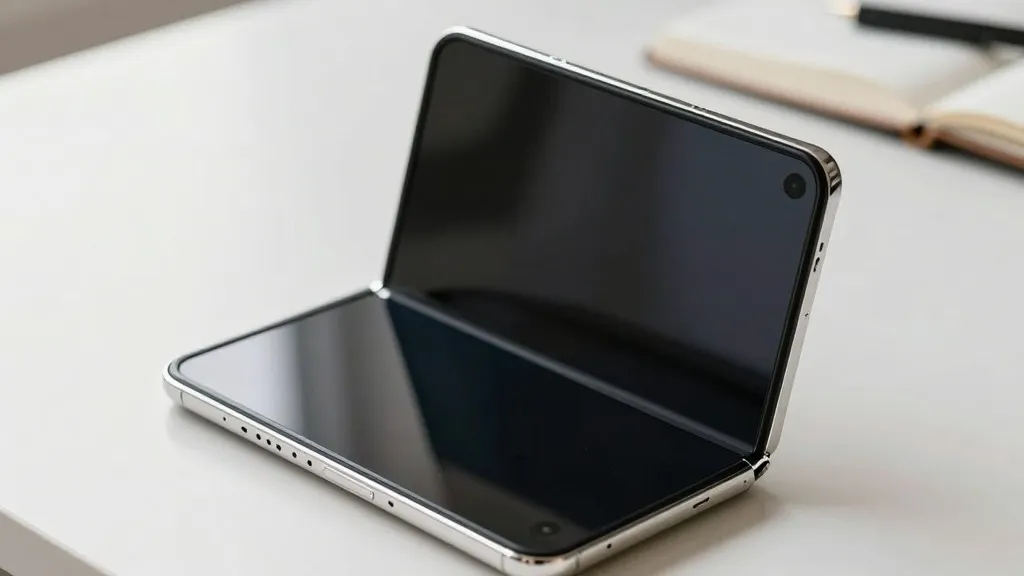
Fourteen million. That is the new shipment target Apple has reportedly set for its first folding smartphone, a figure that represents a massive leap from the initial production plan of 9.7 million units over the first twelve months. This dramatic increase in manufacturing orders, which supply chain sources indicate is a rise of more than 40 percent, serves as a concrete validation of the intense consumer appetite that has surrounded the iPhone Duo since its announcement.
The decision to boost production was not made in a vacuum. It followed a chaotic opening day for pre-orders that began on Friday. Almost immediately, customers reported seeing extended delivery windows, with some estimates pushing into late January. While such delays can sometimes indicate supply chain bottlenecks, the rapid adjustment in production targets suggests that the primary driver was demand that outstripped the initial inventory available. Apple attributed the wait times to "extraordinary" demand, a phrase the company frequently deploys for major product launches, but the scale of the production ramp-up lends credibility to the claim that this particular release is generating outsized interest.
To manage the flood of interest, Apple implemented a restriction limiting each customer to a maximum of two devices. This measure was designed primarily to combat scalping, ensuring that the limited initial supply reached genuine buyers rather than resellers. As the weeks have progressed, some of the earliest customers have begun to see their estimated shipping dates move forward. This shift aligns with reports from DigiTimes, which cites supply chain sources confirming that Apple is actively ramping up production to meet the heightened expectations.
The timeline of events reveals a rapid escalation. Pre-orders opened on Friday, triggering the initial wave of delayed delivery notices. Within days, as the extent of the wait became clear, Apple confirmed the high demand. Now, with the production targets officially raised to 14 million units, the company is signaling that it expects this strong demand to persist throughout the year. This aggressive expansion of the supply chain underscores the strategic importance Apple places on the iPhone Duo as its first foray into the folding phone market.
However, the excitement surrounding the hardware is tempered by the reality of software compatibility. Early adopters are currently navigating a landscape where third-party applications have not yet been fully optimized for the device’s unique form factor. This issue has emerged as one of the most consistent points of criticism in the first wave of reviews, which are based on a week of usage. Reviewers have identified app support as a key area for improvement, noting that while the device functions, the ecosystem is still catching up to the hardware.
Apple maintains that the situation is improving rapidly as developers prioritize their updates for the new platform. The company is encouraging third-party developers to adapt their interfaces to accommodate the folding mechanism, a process that is expected to continue through the coming months. Until these updates are widespread, users may encounter interface glitches or suboptimal layouts in popular applications, a common challenge when introducing a new display format to a mature software ecosystem.
Another point of contention in the early reviews has been the biometric security feature. The iPhone Duo utilizes Touch ID, a departure from the Face ID system found on previous standard iPhone models. This change was viewed by some as a step backward in terms of security and user experience. However, new reports suggest that Apple is already looking ahead to future iterations of the device.
According to recent disclosures, Apple is currently testing prototypes for the iPhone Duo 2 that feature Face ID. This indicates that the company is not content with the current biometric solution and is actively working to integrate the more advanced facial recognition technology into the next generation of its folding phones. This development suggests that the Touch ID implementation may have been a temporary measure, possibly due to space constraints or technical challenges in the initial design.
As the device moves from pre-order to widespread distribution, the focus will shift from supply chain logistics to user experience. The success of the iPhone Duo will ultimately depend on whether the software ecosystem can mature in parallel with the hardware. With production targets now set at an ambitious 14 million units, Apple is betting that the long-term value of the folding form factor will outweigh the initial friction of app optimization and biometric limitations. The coming months will test whether the "extraordinary" demand translates into sustained satisfaction, or if the early challenges prove to be a barrier to mass adoption.
For now, the narrative is one of high stakes and rapid adaptation. The 40 percent increase in orders is a bold move that reflects Apple’s confidence in the market. As delivery dates begin to normalize and software updates roll out, the true measure of the iPhone Duo’s success will be revealed not in the pre-order frenzy, but in the daily experience of the millions of users who will soon be carrying the device.
Source: 9to5Mac