Tesla Q3: Margin recovery masks a widening gap in spending plans
The electric vehicle maker posted stable revenue and improved margins, but heavy investment in AI and new models caused operating income to drop sharply.
By Sofia Ramirez ·
Tesla is facing a difficult trade-off as it tries to balance its massive spending on future technology with the need to maintain profitability. The company reported that its margins have recovered from the lows seen in the previous quarter, which is a positive sign for investors. However, the bottom line is still shrinking because the cost of developing new vehicles and artificial intelligence systems is growing much faster than the company's gross profit.
To understand the current situation, it is helpful to look back at the recent trajectory. In the second quarter, Tesla's operating margin fell to just 1.4%, and its earnings per share missed analyst expectations by a wide margin. That performance set a high bar for recovery. This past quarter, the company managed to push its total gross margin back up to 19.6%, a significant improvement from the 18.0% recorded a year ago. Despite this improvement in overall profitability, the core business is still under pressure as costs rise.
The numbers for the third quarter show a company that is stable but not growing quickly. Revenue came in at $28.05 billion, which is flat compared to the same period last year and in line with what Wall Street predicted. Non-GAAP earnings per share were $0.48, beating the consensus estimate of $0.45 but still down 4% from a year ago. On a GAAP basis, which includes all accounting adjustments, net income dropped by 43% to $787 million.
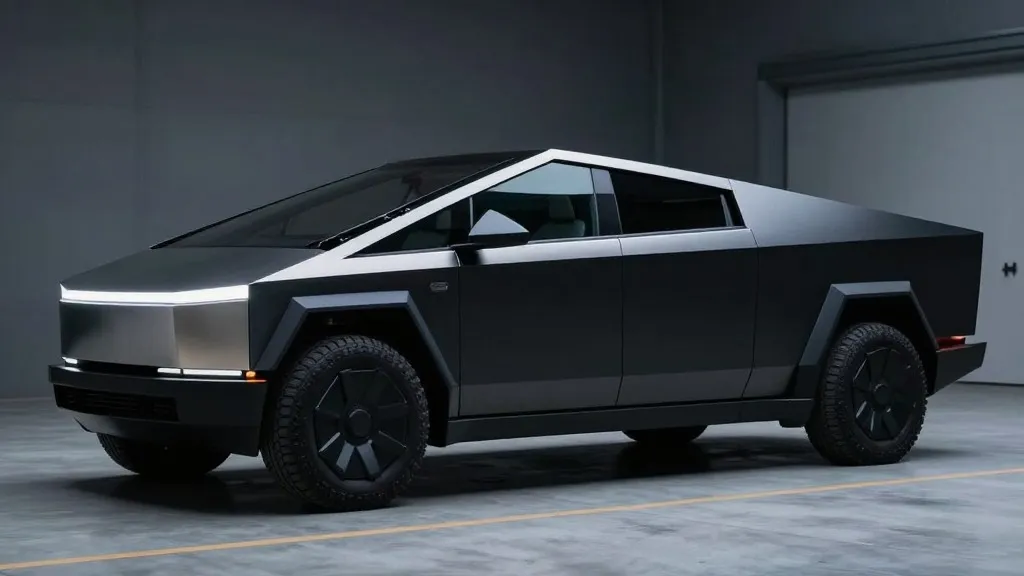
The primary reason for the drop in operating income is the surge in operating expenses, which rose 39% year-over-year to $4.78 billion. Research and development spending alone jumped 69% to $2.76 billion as Tesla invests in what it calls Super Intelligence, the Optimus robot, and the Cybercab. Capital spending also more than doubled to $4.73 billion, though this is lower than the previous quarter. This heavy spending has reduced free cash flow to $1.53 billion, down from nearly $4 billion a year ago.
On the product side, Tesla is blaming battery availability for its flat sales figures. The company stated that battery supply was the limiting factor for auto volumes and noted that it has the largest backlog for passenger vehicles in four years. Deliveries in the quarter were 486,532 vehicles, a slight decrease of 2.1% compared to the previous year. While total energy storage deployments increased, the revenue from the energy segment fell 16% due to refunds related to tariffs.
There are some bright spots in the report. The services and other segment, which includes charging, insurance, and parts, saw revenue grow by 33% to $4.61 billion. Tesla also reported that active FSD subscriptions reached 1.74 million, a 67% increase, and the Robotaxi service accumulated nearly 2 million unsupervised miles in the Austin fleet.
Looking ahead, the company faces a challenge in meeting its annual spending targets. It has spent about half of its projected $25 billion for the year so far. To hit that goal, Tesla would need to spend roughly $12 billion in the final quarter, which is more than double its highest spending quarter to date. Management has not changed its guidance, leaving investors to wonder if the spending plan will slip into next year.
The company will discuss these results on an earnings call scheduled for later today. The full shareholder letter and financial deck are available on the investor relations site. While the margin recovery is a step in the right direction, the heavy spending on future technologies suggests that profit growth will remain a work in progress for the coming months.
Source: Electrek