Tesla Shifts Fremont to Robots, Betting on Self-Teaching Academy
The automaker has repurposed its legacy car line for high-volume humanoid production, relying on a massive internal training network to overcome the lack of fleet data.
By Daniela Vargas ·
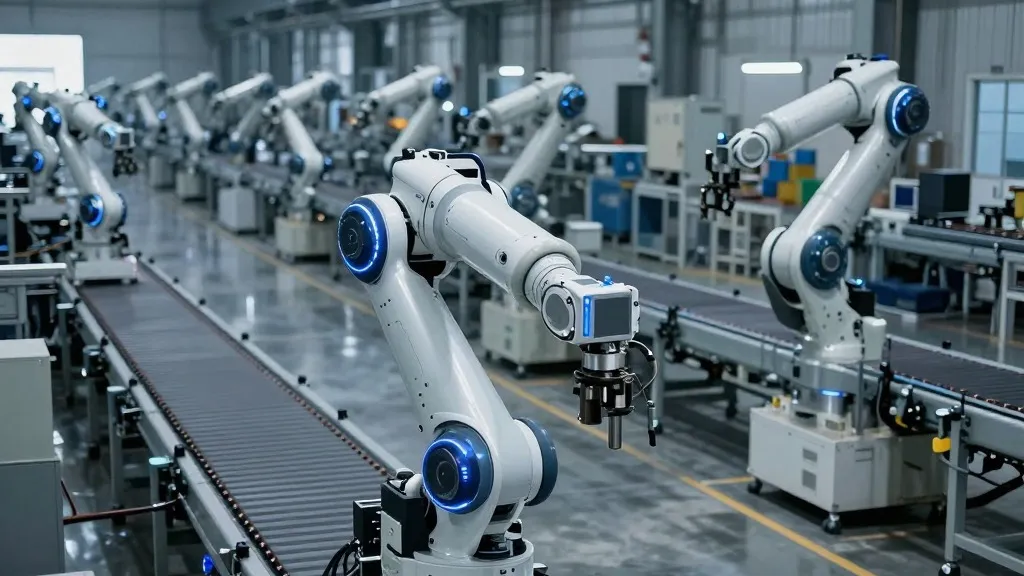
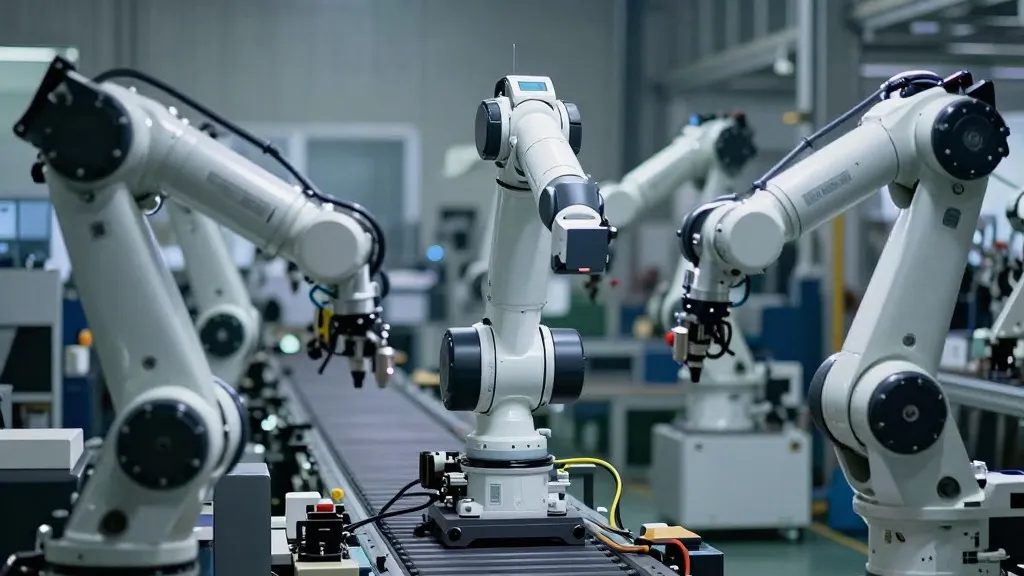
Tesla is fundamentally restructuring its manufacturing footprint in California, converting the high-volume line at its Fremont factory from legacy automobiles to humanoid robots. The company asserts that the units rolling off this new line represent the first production-quality Optimus models, marking a critical transition from prototype development to commercial viability. In its third-quarter shareholder letter released this week, the automaker stated it has proven that the current manufacturing process is suitable for a commercial product, signaling that the engineering hurdles of basic assembly have been cleared.
The physical transformation of the Fremont site occurred rapidly this spring. Tesla cleared the equipment used to build the Model S and Model X in just 46 days, clearing space for a robot production line designed with a long-term capacity of one million units annually. During Wednesday’s earnings call, CEO Elon Musk confirmed that the majority of the necessary equipment for this capacity is already installed. He indicated that output is expected to climb toward a target of 20,000 robots per week as the line ramps up, a pace that would constitute a significant industrial output for a new hardware category.
Musk characterized the production increase as following a classic S-curve, though he warned that the initial phase will feature a shallow slope. The engineering team is currently focused on refining the robot’s artificial intelligence, electromechanical design, and overall reliability. These refinements are slated for completion by the end of next year, at which point Tesla plans to begin delivering Optimus units to external clients for roles involving dangerous, repetitive, or around-the-clock labor.
A central challenge in scaling the robot is data acquisition. Unlike Tesla’s vehicle fleet, which generates massive amounts of real-world driving data for its AI teams, the Optimus program lacks an established base of deployed units. Musk acknowledged this gap, noting that the company does not yet have a vast fleet from which to gather training information. To solve this, Tesla is implementing an internal initiative called the Optimus Academy.
The Academy will utilize between 10,000 and 20,000 robots to practice a wide array of tasks. These units will serve as the primary source of training data, feeding their performance metrics back into the next iteration of the model. This closed-loop system ensures that every robot produced at Fremont contributes to the collective intelligence of the fleet, effectively allowing the machines to teach themselves through continuous, supervised practice.
Hardware upgrades are also imminent. Tesla intends to integrate its AI5 chip into the Optimus platform next year. Musk stated that a new video demonstration should be released within one or two months, showcasing the robot completing tasks driven by AI rather than preprogrammed motions. He contrasted this approach with rival humanoid demonstrations that rely on scripted routines, arguing that such methods would not withstand the variability of real-world environments.
The supply chain is rapidly aligning with these production goals. In September, Tesla certified Tuopu, Joyson, and Sanhua as mass-production partners for key Optimus components. Meanwhile, construction continues on a much larger facility at Giga Texas. Drone footage recently captured shows the steel frame of that plant nearing completion, with Musk pegging the long-term target for that site at 10 million robots per year.
Executives noted that Optimus production costs are trending toward the expected manufacturing cost of the Cybercab, indicating the robot is being engineered for volume efficiency from the start. However, the robotic hand remains the most difficult component to perfect. This area has been a focal point of engineering effort, a challenge Musk also highlighted during the X Takeover event earlier this month.
Source: Teslarati