Tesla builds its own maps to fix driving errors
Tesla is developing an internal mapping system powered by its fleet data to improve route planning and speed limit accuracy.
By Christopher Reed ·
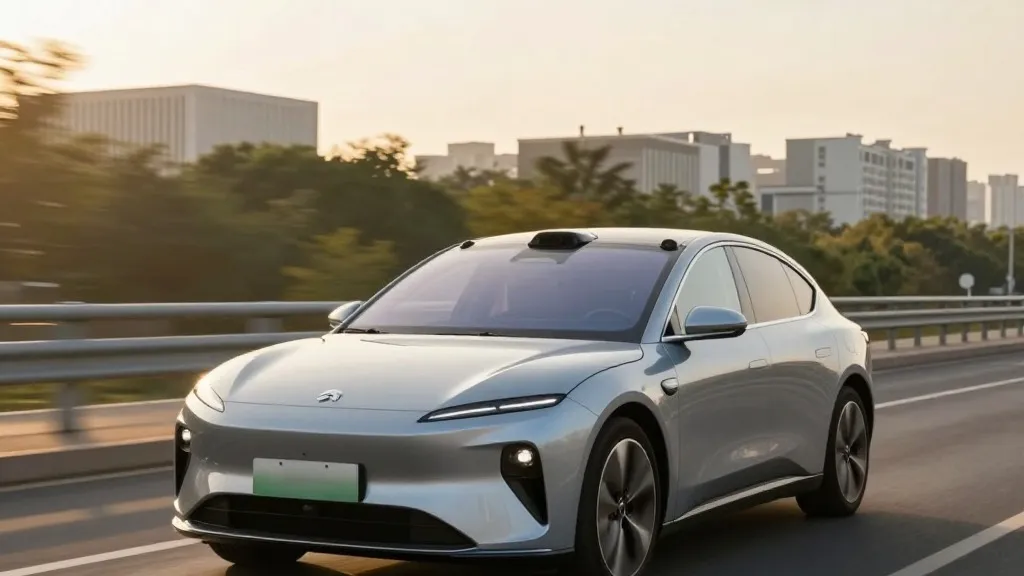
Tesla is creating its own maps to address common failures in its Full Self-Driving system. The new system will help the cars read speed limits, find parking, and choose better routes. This marks a major change in strategy for the company. It aims to solve problems that the current vision-based system often gets wrong.
The company announced these plans during its third-quarter 2026 earnings call. Ashok Elluswamy, Tesla’s VP of AI, described the new effort. He stated that Tesla should not rely on maps from outside providers. Instead, the company is building a new architecture for mapping and navigation. This system will use data collected by the entire fleet of vehicles. It will also learn individual driver preferences and respond to voice commands.
The idea came from a question in the shareholder Q&A section. A retail investor asked why Tesla uses third-party maps when mapping is a known issue. The investor listed speed limits, parking, and typical routes as the biggest problems. Elluswamy agreed that relying on external data is not ideal. He confirmed that the new system will start handling the beginning and end of trips with FSD version 15. Over the next few months, it will take over navigation and destination handling.
This shift follows a long history of mixed messages. In 2015, Tesla said it was building high-precision maps with much more detail than standard navigation. It planned to use data from customer cars to create these maps. However, the company changed its stance later. At its 2019 Autonomy Day, CEO Elon Musk argued that high-precision lane maps were a mistake. He called them brittle and a bad idea for self-driving. He also dismissed lidar sensors as unnecessary. The message was that Tesla would use cameras and AI to drive anywhere without detailed maps.
Seven years later, the approach has evolved. Tesla is now building a map layer from its own fleet. This is intended to fix errors in the vision system. The focus is on understanding the environment better. Speed limits, parking, and routes are areas where the current system struggles. For example, a Belgian road safety group found that FSD often sped in slow zones in Brussels. The cars averaged 44 km/h in 30 km/h zones. This happened partly because the screen showed the wrong limit. In the US, regulators are also looking into claims that Tesla Robotaxis speed through school zones.
This new strategy brings Tesla closer to its competitors. Waymo uses sensor-equipped vehicles to map cities before launching service. It keeps these maps updated as its fleet drives. Tesla is now describing a similar process. Its cars collect data that feeds into a map built by Tesla. This helps every car drive better. The main difference is that Waymo’s cars use lidar on top. Tesla’s new system is not a high-definition map in the sense Musk criticized. It is a fleet-built map that will become more detailed over time.
The move fits how Tesla’s Robotaxi service operates today. The service runs city by city inside small geofenced areas. Tesla handles the fleet operations within these zones. The company is not talking about centimeter-level maps right now. But a map that gets more detailed over time could easily become high-definition. This approach allows Tesla to improve driving performance without waiting for perfect vision-only technology. It acknowledges that maps are a useful tool for understanding the road.
Tesla’s fleet is now acting as a mapping tool. The data collected from millions of cars provides a significant advantage. It allows the company to build a more accurate picture of the roads. This can help fix specific problems like misreading signs. The new system will roll out in stages. It will start with trip beginnings and ends. Then it will expand to full navigation and parking. This gradual rollout gives the company time to refine the technology. It also helps manage the transition for drivers who rely on the current system.
The shift in strategy has implications for the company’s future plans. Unsupervised FSD for consumer cars is still targeted for the second quarter of 2027. This timeline remains unchanged. The new maps will help support this goal. They provide a safety net for the vision system. The company has spent years arguing that maps were not needed. Now it is building them. This change reflects a practical approach to solving real-world driving problems. It shows that Tesla is adapting its technology to meet the challenges of the road.
Source: Electrek